Top Ultra Slim LED Display Manufacturer in China

Time:2026-11-12 Author:Amelia
0%

Demand for LED displays is expanding as retailers, venues, and transport hubs seek brighter, more adaptable visual spaces. MarketsandMarkets estimated the global LED display market at USD 7.1 billion in 2023 and projected USD 12.5 billion by 2028. That is a forecast, not a guarantee. The report covers a broad market, not ultra-slim products alone. Still, it offers useful context for buyers comparing suppliers in China.

A well-designed Ultra Slim Led Display can sit close to a wall, reduce installation depth, and create a cleaner viewing area. Yet a narrow cabinet tells only part of the story. Buyers should also examine pixel pitch, brightness, color consistency, heat management, and access for repairs. Ask for measured cabinet depth, power consumption, and performance data under stated test conditions. Request sample footage, too. A showroom image can hide uneven color or visible seams.

For manufacturers, strong evidence matters more than polished claims. Look for documented quality checks, clear warranty terms, and technical support that continues after delivery. Check how the supplier handles spare modules and replacement parts. Small details matter. A slim design may complicate servicing, and that trade-off deserves honest discussion. This guide explores how to assess leading Chinese manufacturers, compare specifications, and identify an Ultra Slim Led Display suited to real installation needs. Industry rankings vary, so independent verification remains essential.
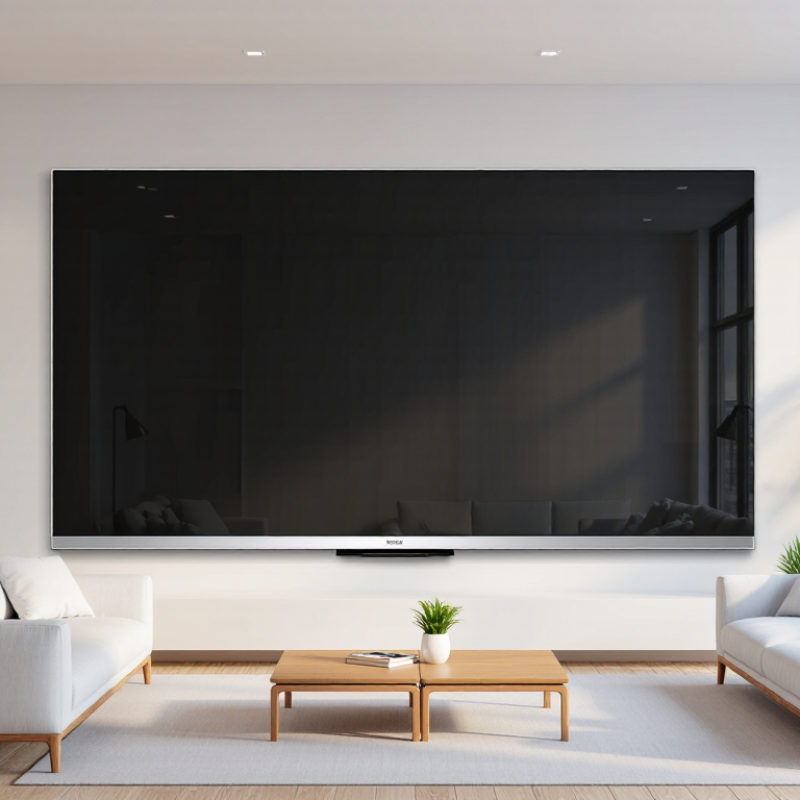
Top Ultra Slim LED Display Manufacturer in China

What Defines an Ultra Slim LED Display

What Defines an Ultra Slim LED Display

“Ultra slim” has no single industry-wide thickness limit. In practice, it describes a display whose complete installed profile is shallow—not merely a thin LED module. Measure from the screen surface to the cabinet’s rearmost point, including power supplies, connectors, and mounting hardware. Then check cable bends and ventilation space. Small details matter. A cabinet may look exceptionally thin on paper, yet stand farther from the wall once cables and brackets are fitted.

The definition also depends on the installation. A shallow cabinet can reduce visual intrusion in a retail wall or control room, but it must still handle heat, weight, and service access. AVIXA’s 2024 Industry Outlook and Trends Analysis estimated global professional AV revenue at US$325 billion in 2024, forecasting US$402 billion by 2029. That growth reflects demand for integrated AV systems, where installation constraints matter. It does not, by itself, prove that thinner is better. A useful specification should state overall depth, cabinet weight, cooling method, and maintenance clearance. Pixel pitch and brightness matter too. One easy mistake is comparing cabinet depth while ignoring the finished wall build-up. That comparison can mislead. Measure the actual installation, and treat “ultra slim” as a design description, not a performance guarantee.

Display Structure, Materials, and Core Technologies

A genuinely ultra-slim LED display depends on more than a shallow cabinet. Its structure typically layers LED packages, a circuit board, driver ICs, a protective mask, and a lightweight frame. Each millimeter saved can limit space for wiring and heat movement. That trade-off matters.

Aluminum alloy frames help reduce weight and spread heat, while copper traces carry power across the board. Thermal pads and ventilation paths can reduce hot spots behind densely packed pixels. In practice, technicians should inspect connector access and module replacement clearance, not just cabinet depth. A thin design can be awkward to service. Front access helps, but does not solve every repair problem.

Core technologies include surface-mounted LED packages, fine-pitch layouts, calibrated drivers, and control systems that manage brightness and refresh. MarketsandMarkets’ LED Display Market report estimated a market value of USD 7.1 billion in 2023, projecting USD 10.4 billion by 2028. That growth suggests rising demand, but it does not prove every slim display performs well. Buyers should compare measured brightness, power draw, thermal behavior, and pixel uniformity under real operating conditions. A cool cabinet is reassuring, though it is not a complete test.

How Ultra Slim LED Displays Are Manufactured in China

Ultra-slim LED displays are built by balancing thin cabinets with reliable heat control and service access. In Chinese factories, production commonly starts with circuit-board preparation and surface-mount placement of LED components. Reflow ovens bond the components to the boards; technicians then inspect solder joints and pixel defects under magnification. Small faults matter. A single uneven pixel can stand out across a large, bright wall.

The modules are assembled into lightweight cabinets, where connector alignment and flatness are checked before calibration. Factory teams adjust brightness and color across panels, then run operating tests to reveal heat-related issues. A thin enclosure leaves less room for airflow, so designers must manage heat through component layout, materials, and ventilation. It is a trade-off, and some designs still make repairs awkward.

Grand View Research estimated the global LED display market at USD 7.1 billion in 2022, projecting a 7.4% compound annual growth rate from 2023 to 2030. This market estimate signals demand, not manufacturing quality.

Buyers should ask for measured cabinet depth, uniformity test results, and service procedures. Small details count.

How to Evaluate a Leading Chinese Manufacturer

Top Ultra Slim LED Display Manufacturer in China

How to evaluate a leading Chinese manufacturer starts with measurable proof, not cabinet thickness or polished product photos. Ask for pixel-pitch tolerances, cabinet flatness, brightness readings, refresh-rate test results, and color-uniformity data from the actual model you plan to buy. MarketsandMarkets’ 2024 LED Display Market report estimates growth from USD 9.3 billion in 2024 to USD 13.8 billion by 2029. That market outlook signals demand, not product quality. Looks are not enough.

Review the factory’s quality-control records and request a live demonstration using your content, viewing distance, and ambient light. Check how modules align at the seams, whether dark scenes show uneven patches, and how the system handles heat during extended operation. Ask for written details on warranty coverage, spare modules, calibration support, and replacement lead times. A smooth demo matters, but it cannot reveal every production inconsistency; request inspection records from multiple production batches where possible. Be cautious when specifications lack test conditions.

Tips: Compare like for like. Confirm brightness in nits, power use under typical content, and service access behind the slim cabinet. Keep the test results in writing.

Top Ultra Slim LED Display Manufacturer in China — How to Evaluate a Leading Chinese Manufacturer
Evaluation Dimension What to Assess Evidence to Request How to Compare
Cabinet Depth and Weight Check the product’s stated cabinet depth and weight, including whether the figures refer to the cabinet alone or the complete display assembly. Dimensioned drawings, product specifications, and a sample cabinet or installation video. Compare products with the same pixel pitch, cabinet size, protection level, and included components. There is no single cabinet-depth value that defines every ultra-slim LED display.
Pixel Pitch and Viewing Distance Confirm pixel pitch in millimeters and assess whether it suits the intended viewing distance and content. Product datasheet, pixel-layout information, and a demonstration using content similar to the planned application. Compare the same pixel pitch and LED configuration. Evaluate image quality at the actual viewing distance rather than relying on product labels alone.
Brightness and Uniformity Review maximum and recommended operating brightness, grayscale performance, and visible consistency across the display. Brightness test results, measurement conditions, and photos or video of a full-screen uniformity test. Compare results measured under equivalent conditions. Ask whether brightness figures are peak values or intended continuous operating values.
Refresh Rate and Image Performance Check the stated refresh rate, grayscale specifications, and performance with the intended camera or video content. Datasheet, controller configuration, and camera test footage at relevant shutter speeds. Use the same test setup for each supplier. A stated refresh rate alone does not establish camera performance in every configuration.
Thermal Design and Power Review operating temperature limits, heat dissipation, and maximum and typical power consumption. Electrical specifications, thermal test information, and details of cooling requirements. Compare maximum and typical consumption separately, using the same display size, brightness setting, and operating conditions.
Mechanical Design and Installation Assess mounting method, cabinet alignment, front or rear service access, and compatibility with the installation structure. Installation drawings, mounting instructions, tolerance information, and a sample assembly. Confirm that the proposed structure, access clearances, and service method suit the project site.
Quality Control and Traceability Check how incoming components, production stages, and finished displays are inspected and recorded. Quality-control procedures, sample inspection records, burn-in or aging-test records, and component traceability details. Look for documented, repeatable inspection steps and records linked to production batches—not only general quality claims.
Safety and Environmental Compliance Verify which safety and environmental requirements apply to the destination market and the specific product configuration. Current test reports or declarations for the exact model. Relevant references may include IEC 62368-1 for audio/video and information technology equipment, IEC 60529 for IP enclosure ratings, and the EU RoHS Directive 2011/65/EU where applicable. Check the model, report scope, issuing body, and validity. Standards and regulatory requirements depend on the product and market; a reference to a standard is not proof of compliance.
Reliability and Environmental Protection Assess the stated operating conditions, ingress protection claims, and performance under the intended indoor or outdoor environment. Product-specific test reports, IP-rating documentation where claimed, and operating-temperature specifications. Match the protection and environmental requirements to the installation location. Verify ratings against test documentation rather than marketing descriptions.
Warranty and Spare Parts Review warranty duration, covered components, exclusions, repair process, and availability of replacement parts. Written warranty terms, service procedure, spare-parts list, and stated support response process. Compare the written terms and practical support arrangements. Confirm who handles shipping, labor, and replacement costs.
Production Capability and Delivery Evaluate whether the supplier can meet the project quantity, configuration, inspection, and delivery schedule. Production plan, sample lead-time schedule, capacity information, and pre-shipment inspection procedure. Request a project-specific schedule and identify approval, production, testing, packing, and shipping milestones.
Commercial and Export Documentation Confirm the quotation clearly defines the display configuration, accessories, packing, delivery terms, and payment milestones. Itemized quotation, packing details, agreed delivery terms, and applicable export documents. Compare like-for-like scope and confirm which costs, services, and accessories are included before placing an order.

Applications and Market Trends for Ultra Slim LED Displays

Ultra Slim LED Display Manufacturer in China: Applications and Market Trends

Ultra-slim LED displays suit spaces where every centimeter matters. In retail, they bring bright promotional visuals to narrow shopfronts and compact window displays. In offices and transport hubs, slim cabinets can reduce wall projection while delivering clear information across large surfaces.

The details matter. Low weight may simplify installation, but it does not guarantee easy maintenance. Buyers should check pixel pitch, brightness, heat dissipation, and front-access service before specifying a screen. A display facing direct sunlight has different needs from one in a softly lit meeting room.

The wider digital signage market points to steady demand. Grand View Research estimated its global value at USD 28.83 billion in 2023 and projected an 8.1% compound annual growth rate from 2024 to 2030. This figure covers digital signage broadly, not ultra-slim LED displays alone. Still, it reflects expanding use across retail, corporate, and public spaces.

Current product development favors finer pixel pitches, modular cabinets, and more efficient power systems. Yet thinner is not always better. A tightly fitted cabinet can leave less room for cooling or service access, a trade-off worth testing before installation.

FAQS

What does “ultra-slim” mean for an LED display?

It describes a shallow installed profile, not just a thin module. Measure from the screen surface to the cabinet’s rearmost point, including brackets and power supplies. Cables matter.

Why should installation depth include cables and mounting hardware?

Connectors need room to bend, and brackets can move the screen farther from the wall. A thin cabinet may look different once installed. Easy to overlook.

Does a thinner cabinet always perform better?

No. Less space can restrict airflow, complicate repairs, and make heat management harder. Thin is not a performance guarantee.

What details belong in a useful display specification?

State overall depth, cabinet weight, cooling method, and maintenance clearance. Also compare pixel pitch and brightness. Measure the finished wall build-up, too.

Which materials and components support a slim display?

Designs may use aluminum alloy frames, copper traces, thermal pads, LED packages, driver ICs, and protective masks. Each affects weight, heat, or wiring space.

How do factories check LED modules and cabinets?

Technicians inspect solder joints and pixels, then check connector alignment and cabinet flatness. They calibrate brightness and color across panels. Small faults show.

What performance results should buyers request?

Ask for measured brightness, power draw, thermal behavior, and pixel uniformity under operating conditions. A cool cabinet is reassuring, but not enough.

How does service access affect a slim display?

Front access can help with module replacement, but it does not solve every repair challenge. Check connector access and replacement clearance before installation. Look twice.

Conclusion

An Ultra Slim Led Display combines a narrow profile with clear, vivid visuals, making it suitable for spaces where appearance and efficient use of space matter. Its performance depends on a carefully engineered structure, lightweight yet durable materials, precise LED modules, reliable power systems, and effective heat management. Manufacturing involves design planning, component selection, automated assembly, calibration, and quality testing to help ensure consistent brightness, color, and operation.

When evaluating a leading Chinese manufacturer, buyers can consider production capabilities, material quality, technical support, customization options, and quality-control processes. These displays are used in retail, corporate environments, public venues, and other settings that benefit from high-impact visual communication. As display technology develops, market trends include slimmer constructions, improved energy efficiency, higher resolutions, and more flexible installation options. Together, these advances are expanding the ways ultra-slim LED solutions can be integrated into modern spaces.


Amelia

Amelia

Amelia is a seasoned marketing professional with a wealth of expertise in our company’s core offerings. With an unwavering passion for driving growth and innovation, she plays a pivotal role in shaping our marketing strategies and enhancing brand visibility. A key aspect of her responsibilities......