An in-depth analysis of China's LED display manufacturing landscape, high-reliability outdoor packaging technologies, and operational TCO optimizations for global media networks.
The market for outdoor advertising LED screens has transitioned from basic large-format digital signage to highly engineered, ultra-high-definition architectural video walls. Driven by rapid advances in surface-mount technology (SMD), Chip-on-Board (COB) encapsulation, and algorithmic control systems, modern Digital Out-of-Home (DOOH) networks demand exceptional visual performance alongside industrial-grade reliability. As the epicentre of global display technology, Chinese manufacturers produce over 85% of the world's commercial LED screens, integrating complete supply chains from die-level semiconductor processing to automated cabinet assembly.
Selecting an authoritative China LED screen supplier requires evaluating more than pixel pitch alone. Buyers must scrutinize thermal management architectures, ingress protection ratings, electromagnetic compatibility (EMC), and driver IC capabilities. This technical publication outlines the structural, optical, and operational standards required to deploy high-ROI outdoor billboard installations across diverse global environments.
Explore high-performance display configurations engineered for fixed installations, touring events, and specialized commercial architectures.
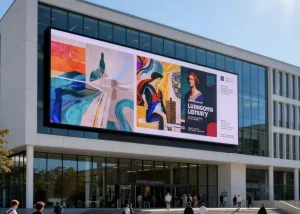
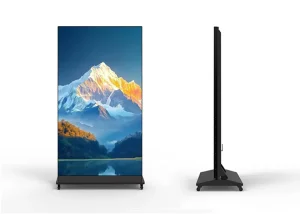
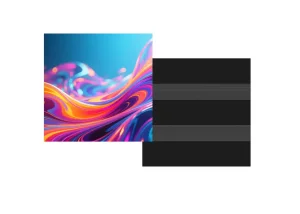
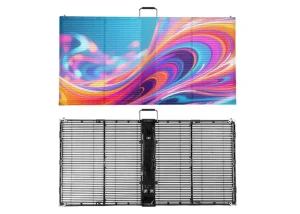
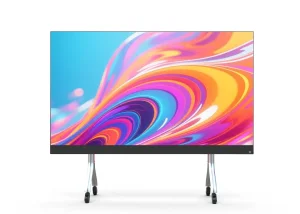
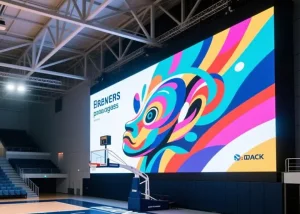
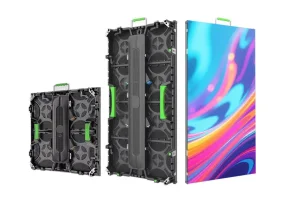

Core technological factors that determine operational longevity, optical performance, and energy footprint in outdoor installations.
By supplying independent, precise voltage to Red (2.8V) and Green/Blue (3.8V) LED chips, Common Cathode technology reduces operational heat generation by up to 35% and overall power consumption by up to 40% compared to traditional common anode systems.
Featuring gold-wire LED encapsulation, outdoor displays deliver up to 10,000 nits of calibrated peak brightness. Integrated light sensor feedback loops continuously dim output at night, complying with light pollution standards while extending component life.
Module-level conformal coating, IP68 hermetic sealing, and die-cast aluminum cabinets safeguard internal PCBs against marine saltwater corrosion, heavy snow, sandstorms, and ambient temperatures spanning -40°C to +60°C.
Thermal management is the single most vital variable influencing LED lifespan and color uniformity. High ambient operating temperatures induce wavelength shift in LED dies, leading to visible color degradation and premature luminance decay. Leading Chinese manufacturers utilize integrated die-cast aluminum heat sinks rather than traditional iron cabinets. Aluminum’s thermal conductivity (approx. 200 W/m·K) ensures rapid heat transfer away from the PCB without requiring energy-intensive air conditioning units.
| Specification Parameter | Standard Outdoor LED Screen | Advanced Common Cathode Screen | Next-Gen Outdoor COB Display |
|---|---|---|---|
| Pixel Pitch Range | P4.0 - P10.0 | P2.5 - P8.0 | P0.9 - P1.8 |
| Peak Brightness | 5,000 - 6,500 Nits | 6,500 - 10,000 Nits | 3,000 - 4,500 Nits |
| Avg. Power Consumption | 350 - 450 W/m² | 160 - 240 W/m² | 120 - 180 W/m² |
| Operating Temperature | -20°C to +50°C | -40°C to +60°C | -35°C to +55°C |
| Refresh Rate | 1,920 Hz | 3,840 Hz - 7,680 Hz | 7,680 Hz |
| Protection Rating | IP65 Front / IP54 Rear | IP66 Front / IP65 Rear | IP68 All-round Surface |
How outdoor advertising LED technology transforms urban landscapes, commercial hubs, transportation nodes, and sports infrastructure worldwide.
Positioned on highway interchanges and high-traffic city centers, high-contrast P3.91 to P8 outdoor screens ensure maximum visual retention for global brand advertising under any solar viewing angle.
Custom right-angle and curved cabinet assemblies paired with specialized video controllers allow 90-degree corner displays to project hyper-realistic, glasses-free 3D visual effects that generate massive social media engagement.
Vibration-resistant, roof-mounted double-sided taxi LED screens (AL-C Series) operate on vehicle DC power, enabling real-time location-based geotargeted ads across major metropolitan areas.
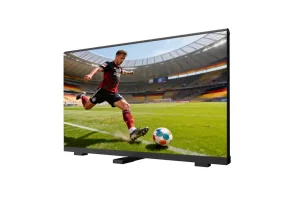
Equipped with soft impact-resistant rubber masks and top protection cushions, stadium perimeter displays ensure player safety while broadcasting ultra-high refresh rate sponsor visuals for international sports networks.
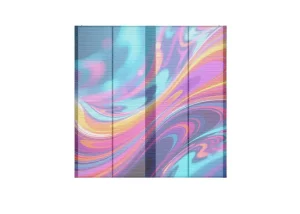
Transparent LED displays (up to 80% transparency) maintain interior natural lighting while turning commercial building glass facades into dynamic, daylight-visible digital storefront displays.
COB fine-pitch and ultra-thin indoor displays provide seamless, line-free video walls for traffic management centers, security monitoring hubs, and corporate executive boardrooms.
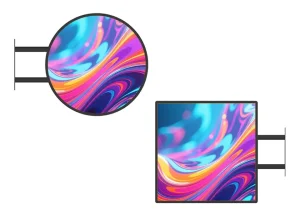
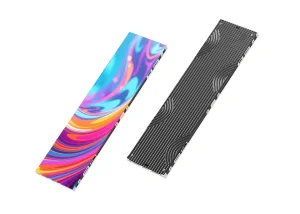
Innovative LED displays designed for high transparency, custom physical integration, and extreme weather endurance.
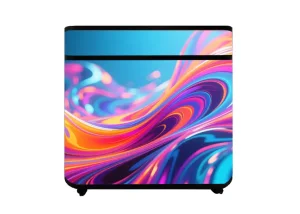

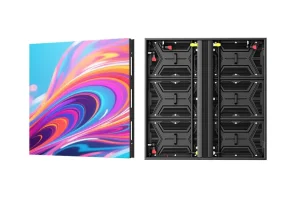
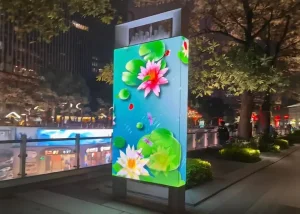
Securing long-term ROI through certified manufacturing standards, rigorous testing protocols, and environmental regulatory compliance.
Top-tier Chinese LED screen suppliers adhere to rigorous quality inspection workflows. Prior to assembly, semiconductor LED dies undergo strict batch-sorting (binning) to maintain color spectrum uniformity within ±1.5nm wavelengths. SMT assembly utilizes high-speed Yamaha and Panasonic placement lines with automated optical inspection (AOI) to eliminate cold solder joints.
Fully assembled LED modules undergo continuous 72-hour burn-in tests (including 24 hours of high-temperature humidity cycles and thermal shock testing from -40°C to +70°C). Waterproof testing is conducted under high-pressure water jets to ensure strict compliance with IP65 and IP68 standards.
Advanced power supply filtering and shielded cabinet engineering ensure displays comply with FCC Class A/B and EN55032 standards, preventing RF interference with nearby communication devices.
Custom structural drawings undergo structural engineering calculations to withstand Category 12 typhoons and high wind pressure environments, ensuring structural safety for high-rise installations.
Module masks, ribbon cables, and internal plastics use flame-retardant materials certified to UL94-V0, preventing flame spread in extreme electrical fault scenarios.
Addressing the technical, operational, and commercial questions asked by international LED display procurement managers.