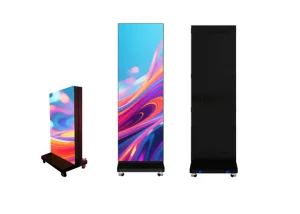
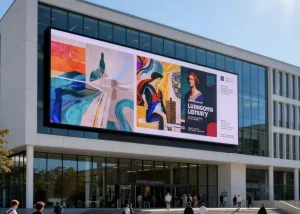
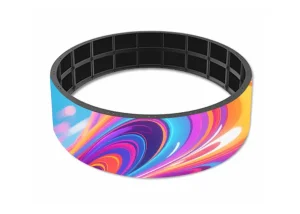
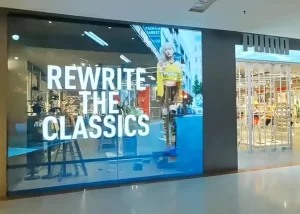
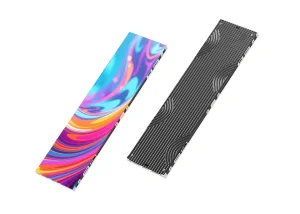
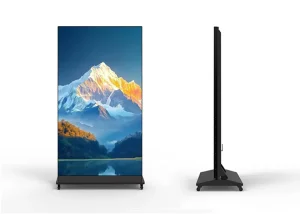
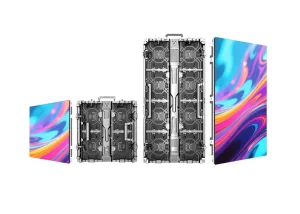
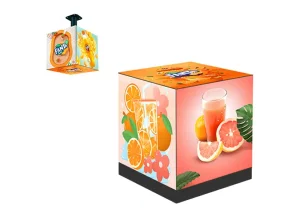
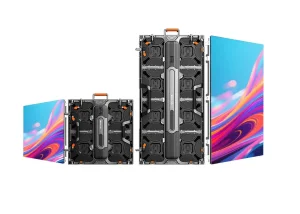
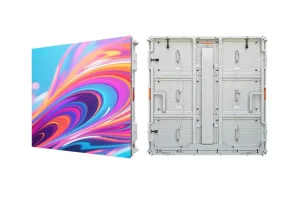
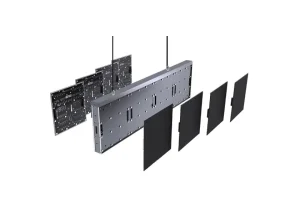
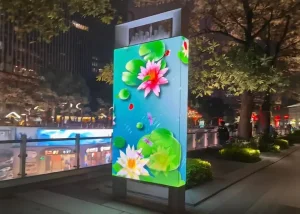
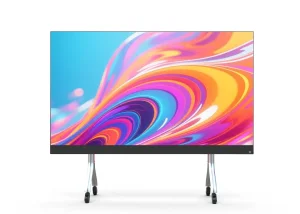
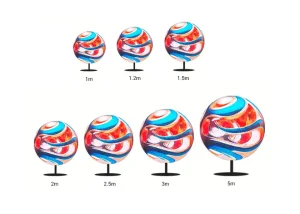
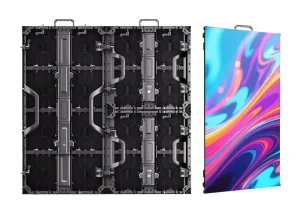
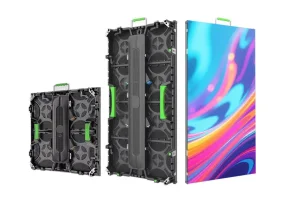
Featured OEM/ODM LED video wall hardware integrated seamlessly with scalable Content Management Systems (CMS).
How Modern LED Display Content Management Systems (CMS) Bridge High-Pitch Hardware Control with Distributed Cloud Intelligence.
Modern commercial display infrastructure demands dual-mode playback capability. As a primary custom LED display content management software supplier, our software solutions seamlessly bridge synchronous video processing (NovaStar, Colorlight, Brompton) for zero-latency live broadcasts with asynchronous edge storage controllers for automated, continuous digital signage playout.
Managing multi-site LED display networks requires enterprise-grade multi-tenancy. Our cloud-native CMS empowers global brand operators, programmatic DOOH advertisers, and venue administrators to manage thousands of active display nodes, deploy real-time canvas layouts, and monitor thermal telemetry via a single unified dashboard.
Beyond content rendering, enterprise LED CMS platform features real-time diagnostics. Automated sensors monitor cabinet power consumption, temperature spikes, humidity, module pixel failure rates, and receiver card connectivity, automatically triggering failover redundant signal paths to protect critical hardware investments.
"Selecting the right LED Content Management Software is not merely about media player scheduling; it is about pixel pipeline efficiency, color gamut matching across fine-pitch panels, and low-latency hardware synchronization. True information gain in LED management stems from native API hardware control, enabling remote FPGA configuration, automatic brightness adjustment based on ambient lux sensors, and frame-accurate playback across micro-LED video walls."
Analyzing key industrial sectors where specialized LED Content Management Systems drive quantifiable visual engagement and operational control.
The global shift toward automated, targeted outdoor advertising requires LED display content software to integrate natively with SSP (Supply-Side Platforms) and DSP (Demand-Side Platforms). Custom CMS implementations enable real-time bidding (RTB), dynamic dynamic ad insertion (DAI), and proof-of-play auditing, allowing outdoor 3D billboards and street furniture displays to monetize foot traffic with high precision.
Mission-critical operations centers—such as traffic management control rooms, emergency dispatch hubs, and industrial SCADA monitoring installations—demand zero-failure LED content controllers. Modern software architectures support multi-window IP stream decoding, multi-resolution canvas manipulation, and instant preset matrix switching across fine-pitch COB/GOB display surfaces.
A comprehensive matrix evaluating deployment topologies for system integrators, AV consultants, and procurement managers.
| Deployment Model | Hardware Interoperability | Network Architecture | Security & Compliance | Optimal Use-Case |
|---|---|---|---|---|
| Cloud SaaS CMS | Universal API (NovaStar, Colorlight, Huidu, Linux player nodes) | Public / Hybrid Cloud (AWS, Azure, Google Cloud CDN) | TLS 1.3, SOC2 Type II, GDPR compliant encryption | Global retail chains, distributed DOOH advertising networks, rental fleets |
| On-Premise Enterprise Server | Direct FPGA / Sendcard PCIe bridge integration | Air-gapped Local Area Network (LAN) / Private WAN | Custom active directory integration, RBAC, zero external outbound ports | Military command centers, financial trading floors, municipal control centers |
| Edge Autonomous Controller | Embedded SoC / Android / Linux Micro-controllers | Local store forward with cellular (4G/5G) / WiFi fallback | Hardware TPM chip encryption, secure boot signed firmware | Movable poster screens, smart street kiosks, remote highway billboards |
| Hybrid XR Virtual Production | Genlock / PTP synchronization with Brompton / Megapixel VR | High-throughput 10G / 40G optical fiber backbone | Proprietary studio payload encryption, real-time camera tracking protection | Film studios, broadcast virtual sets, immersive corporate showrooms |
Ensuring global operations conform to regional legal frameworks, localized content delivery networks, and multi-lingual user environments.
Enterprise CMS software allows administrators to define strict operational permissions. Regional managers can curate localized content playlists without compromising global brand guidelines or touching core display hardware calibration settings.
When incorporating AI camera triggers or audience measurement sensors into LED displays, our CMS guarantees anonymized data processing at the edge. No PII (Personally Identifiable Information) is stored or transmitted, guaranteeing full regulatory compliance.
Global CMS deployment requires localized server edge infrastructure. Playlists and 4K/8K media files are cached locally at the controller level to prevent display blackouts even during temporary regional network or internet outages.
How tailored software controller setups solve physical and operational challenges in specific LED installation formats.
Massive LED flight information display systems (FIDS) require real-time database synchronization via RESTful APIs. Custom content management software triggers instant queue updates, localized flight delay notifications, and emergency broadcast overrides across multi-screen matrix configurations without operational delay.
Naked-eye 3D LED screens demand specialized anamorphic video rendering engines within the CMS pipeline. By mapping perspective angles directly to the physical curve geometry of the LED panel cabinet, the software outputs undistorted, immersive depth visuals optimized for specific viewer vantage points.
Live events demand instant configuration changes. Specialized rental event management software features fast mapping wizard tools, rapid pixel compensation for replaced rental panels, dynamic test patterns, and low-latency Genlock adjustments to ensure live camera flicker elimination.
High-end storefront glass installations utilize transparent or holographic LED screens. The CMS system leverages alpha-channel video mask support, enabling dynamic graphics to float seamlessly over transparent background layers while preserving ambient store lighting.
Anticipating technological convergence in Artificial Intelligence, Micro-LED control protocols, and energy-saving display algorithms.
Integrating real-time generative AI into the edge player engine allowing displays to generate dynamic, ambient background artwork, contextual text adaptation, and real-time localized weather imagery tailored instantly to demographic changes.
As global carbon regulations tighten, next-generation CMS algorithms analyze video frame luminance maps pixel-by-pixel, dynamically throttling power distribution board output without compromising visual contrast, lowering total power consumption by up to 35%.
With sub-1.0mm fine-pitch screens becoming standard in corporate boardrooms, software controllers are adopting sub-pixel chromaticity mapping to compensate for micro-level color drift across aging COB (Chip-on-Board) diode batches.
Addressing essential technical inquiries regarding LED display software integration, control hardware compatibility, and deployment protocols.
Explore our full range of enterprise indoor, outdoor, COB fine-pitch, and creative display hardware options.