Explore our flagship LED display technologies, engineered for architectural windows, indoor venues, high-impact advertising, and immersive commercial installs.
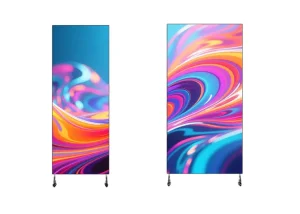

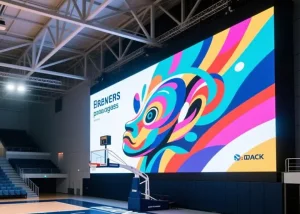
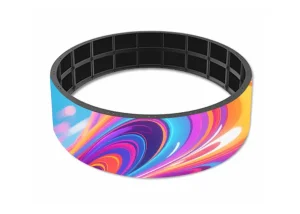
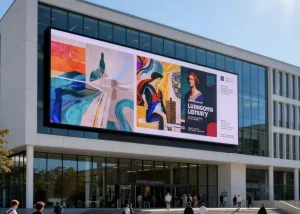
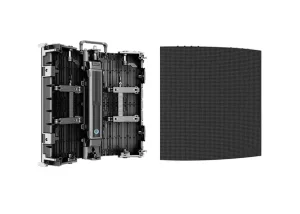
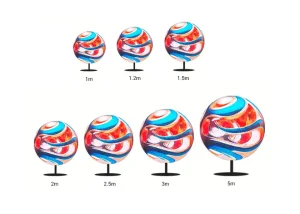
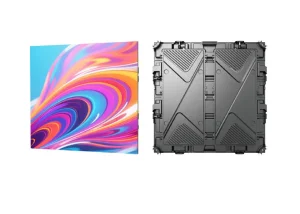
Understanding the paradigm shift from traditional printed window graphics and heavy indoor LCD screens to ultra-bright, high-transparency LED displays in modern commercial architecture.
Commercial storefronts and building glazed facades represent the most valuable real estate for brand engagement. However, traditional displays placed behind window glass suffer from severe optical reflections and thermal build-up. Standard LCD displays—typically producing between 350 and 700 nits—become entirely invisible under direct sunlight, while obstructing up to 100% of natural daylight into the interior store footprint.
Modern Window LED displays engineered by direct manufacturing leaders solve this dilemma by combining luminous intensities exceeding 5,500 to 7,500 nits with transparency ratios spanning 70% to 85%. By maintaining spatial openness, high optical transmittance, and uncompromised video visibility under 100,000 lux ambient sunlight, custom glass LED displays have evolved into essential infrastructure for global retail chains, automotive showrooms, and financial institutions.
The architectural LED display market has experienced a massive leap forward through miniaturized SMT (Surface Mount Technology), GOB (Glue-on-Board), and Chip-on-Board (COB) packaging. Historical transparent screens utilized wide horizontal PCB bars that disrupted close-up sightlines. Today's fine-pitch glass window screens feature strip widths under 1.5mm and pixel pitches ranging from P1.95 to P3.91/P7.81.
Furthermore, the integration of GOB protective layers provides an anti-collision, dust-proof, moisture-resistant epoxy resin shield across the display surface. This protects fragile micro-LED components from accidental customer contact inside commercial window bays while delivering an effortless surface cleaning mechanism—critical for long-term operational uptime.
Rigorous quantitative parameters engineered for long-term optical fidelity, energy conservation, and commercial durability.
Mapping the exact architectural requirements, regulatory mandates, and aesthetic expectations of enterprise AV procurement teams across tier-1 international markets.
Global luxury apparel and jewelry brands demand non-intrusive promotional mediums. Their structural intent requires displays that maintain store interior light while transforming street-side window glass into dynamic digital canvases. Priority intent factors include ultra-fine pixel pitch (<P2.8mm), seamless modular assembly, high contrast ratios (5,000:1), and color calibration matching Pantone/CMYK identity standards.
Financial institutions, real estate brokerages, and corporate headquarters prioritize operational reliability, energy efficiency, and central cloud management. Procurement intent centers on low power consumption (<200W/m² average), common-cathode IC driver architecture, flame-retardant structural aluminum frames, and remote content deployment across multi-branch retail banking window networks.
Digital Out-Of-Home advertising networks installed at airport terminal windows, train stations, and bus concourses focus heavily on continuous 24/7 duty cycles, automated ambient light sensing (automatic brightness scaling from 500 nits at night to 7,000 nits at mid-day), and simplified front/rear maintenance access without dismantling primary window glass structures.
Comprehensive comparative data for system integrators, facade consultants, and architectural engineers specifying indoor-window displays.
| Series Category | Pixel Pitch (mm) | Transparency (%) | Brightness (Nits) | Optimal Viewing Distance | Key Structural Feature |
|---|---|---|---|---|---|
| Ultra-Fine Window Series | P1.95 - P2.6 | 65% - 72% | 2,500 - 4,500 | 2m - 5m | GOB Surface Protection, High-Density Visual Clarity |
| High-Brightness Architectural | P3.91 - P7.81 | 75% - 82% | 5,500 - 7,500 | 4m - 15m | Integrated Aluminum Bar PCB, Daylight Sun-Striking Contrast |
| Poster & Mobile Window Units | P2.5 - P3.0 | Non-Transparent / GOB | 1,200 - 2,500 | 2m - 8m | Plug-and-Play Wheel Base, Integrated Synchronous Control |
| Double-Sided Commercial Window | P2.8 - P3.91 | Double-sided Display | 3,000 (Outward) / 1,000 (Inward) | 3m - 10m | Independent Dual-Content Playback, Slim Aluminum Frame |
| Custom Flexible & Curved Glass | P2.9 - P4.81 | 70% - 80% | 4,000 - 6,000 | 3m - 12m | Custom Radius Bending (±45°), Bespoke Mounting Brackets |
How end-to-end automated manufacturing in Shenzhen guarantees zero-defect production, component binning precision, and cost efficiencies for enterprise exporters.
Our direct manufacturing lines utilize state-of-the-art Japanese Yamaha and Panasonic surface mount technology (SMT) placing micro LEDs with precision tolerances down to ±0.01mm. This eliminates thermal degradation during soldering, ensuring ultra-consistent diode alignment across sprawling glass facade video walls.
Quality reliability is enforced through Automated Optical Inspection (AOI), X-ray IC solder validation, and continuous 72-hour full-white color aging tests. Displays undergo rigorous thermal cycling (-20°C to +60°C) within environmental test chambers to guarantee structural integrity inside intense solar window environments.
Leveraging the world's most concentrated optoelectronics ecosystem in Shenzhen, China, we source premium Nationstar/Kinglight LEDs and NovaStar/Colorlight control systems directly. Vertically integrated procurement cuts component lead times to under 12 days for custom OEM/ODM orders while keeping factory export pricing globally competitive.
Tailored display engineering engineered for diverse architectural installations, climate variations, and retail contexts.
Automobile showrooms feature expansive floor-to-ceiling glass windows exposed to harsh sunlight. Installing opaque LED walls isolates showroom interiors and ruins the view of vehicle displays. By suspending high-brightness (6,500 nits), 80% transparent LED screens directly behind the perimeter glass, dealerships broadcast dynamic 4K promotional media to street traffic while maintaining natural daylight for indoor showroom guests.
Urban financial branches operate under stringent municipal signage regulations prohibiting external outdoor billboards. Indoor window-mounted LED poster systems circumvent outdoor permitting restrictions by operating strictly within internal building boundaries. Their ultra-thin profiles (<45mm thickness) integrate seamlessly with hanging cable suspensions without altering protected historic building facades.
High-end fashion boutiques utilize customizable fine-pitch GOB display displays within storefront windows to project high-contrast seasonal promotional visual media. The GOB epoxy coating protects display modules from accidental customer bumps or cleaning solutions, while double-sided configurations show outward advertising to passersby and interior promotional visuals to shoppers already inside the venue.
Transportation terminals feature massive architectural glass spans. Implementing transparent structural LED displays allows transit operators to monetise vast window surfaces through high-impact advertising campaigns. Control systems feature integrated 5G cloud networks and automated brightness sensors to adjust lumen output according to shifting outdoor weather conditions and night/day light levels.
Expert technical insights from factory display engineers on managing glass thermal microclimates, power efficiency, and structural safety.
One of the primary failure modes for displays installed behind window glazing is thermal entrapment. Sunlight passing through Low-E double glass elevates temperatures within the window micro-cavity beyond +65°C. Standard electronics suffer driver IC failure and accelerated LED color shift under these conditions.
Our custom window LED display panels integrate extruded 6063-T5 aviation aluminum cabinets acting as continuous passive heat sinks. By eliminating failure-prone motorized fans, our hollowed strip PCB structures dissipate internal thermal energy through natural convection, maintaining diode junction temperatures below +55°C even under continuous sunlit operation.
Power consumption directly impacts operating expenses for enterprise DOOH installations. Traditional display panels use common-anode power routing, supplying identical voltages to Red, Green, and Blue LED chips and converting excess voltage into wasted thermal energy.
We engineer custom window LED display series utilizing dedicated Common Cathode driver architecture. By supplying independent, precise voltages to Red (2.8V) and Green/Blue (3.8V) diodes, overall thermal output is reduced by up to 35% and energy consumption drops to an efficient average of 180W/m². This maximizes hardware longevity while delivering substantial operational cost savings.
Direct technical and operational answers from our engineering export team for international buyers, integrators, and distributors.
Browse our full range of custom poster displays, outdoor video walls, rental solutions, and architectural screens.
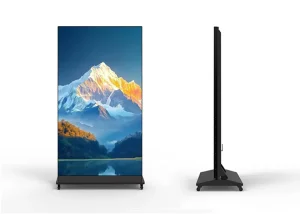
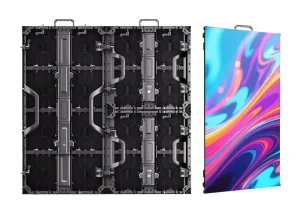
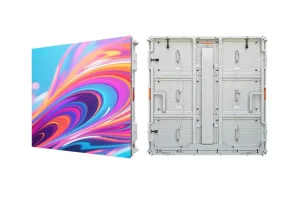
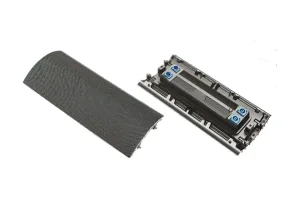
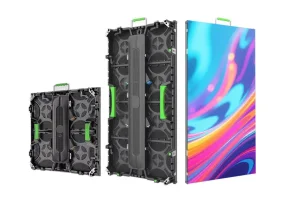
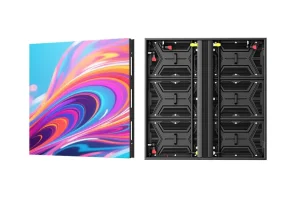

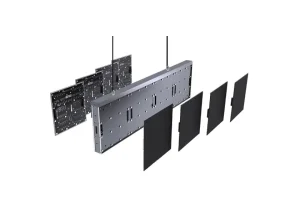
Speak directly with our Shenzhen display engineers to request structural drawings, thermal calculations, optical transparency samples, or custom factory OEM quotes.
Contact Direct Factory Engineering Team