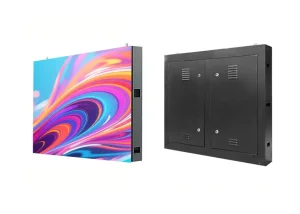
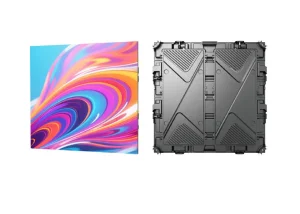
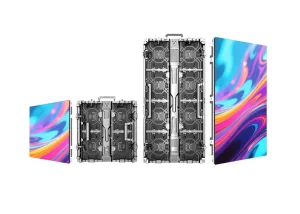
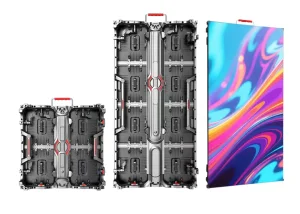
Direct factory-engineered display solutions featuring high refresh rates, fine pixel pitch, and ultra-high brightness modules.
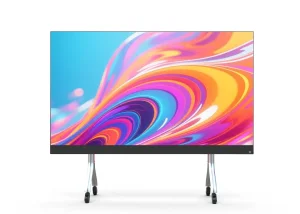
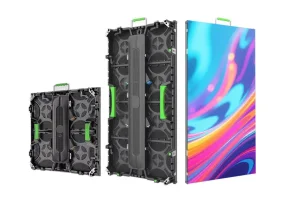
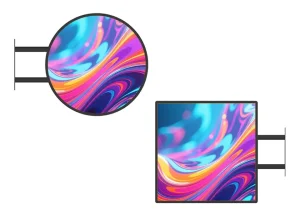
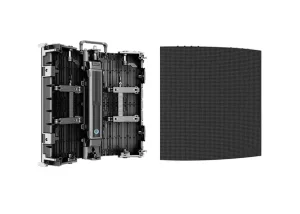
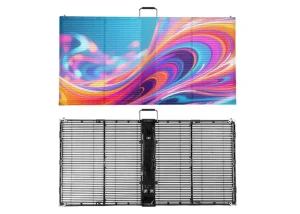
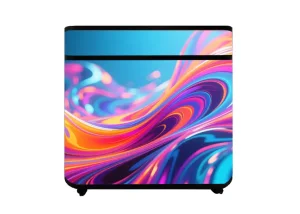
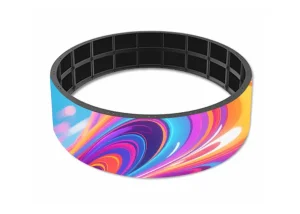
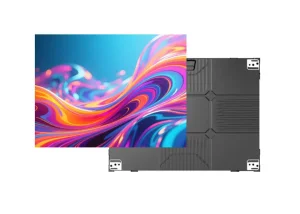
The global competitive gaming industry has transformed from niche LAN tournaments into massive multi-million-dollar arena spectacles and global broadcast events. Consequently, visual infrastructure demands have shifted dramatically. Standard commercial digital signage displays—typically engineered for static advertising or 60Hz video playback—fail catastrophically when subjected to the high-frame-rate dynamics, hyper-fast camera motion, and aggressive lighting setups of live esports broadcasting.
As a specialized wholesale Esports LED video wall factory and exporter, we engineer display systems built specifically to meet the rigorous demands of professional esports leagues (such as League of Legends LPL/LEC, Valorant Champions Tour, and CS:GO Majors). Modern esports broadcasts require display surfaces that eliminate visual artifacts, maintain frame synchronization with ultra-high FPS gaming rigs (up to 360Hz content output), avoid Moiré patterns during close-up camera sweeps, and deliver wide color spectrum accuracy under intense broadcast lighting.
Moiré artifacts occur when the spatial frequency of the LED pixel grid overlaps with the pixel array of HD/4K broadcast camera sensors. Our factories address this through optical diffusion coatings (Black LED matte treatments), micro-louver technology, and ultra-fine COB (Chip-on-Board) encapsulation, raising pixel pitch density so camera sensors capture smooth, continuous video signals without geometric interference lines.
A technical comparison illustrating why generic LED displays fall short in high-stakes esports venues.
| Performance Specification | Standard Commercial LED Display | Tournament-Grade Esports LED Wall | Engineering Impact on Broadcast & Play |
|---|---|---|---|
| Refresh Rate (PWM) | 1,920Hz – 3,840Hz | 7,680Hz – 15,360Hz | Prevents scan lines and flicker on high-speed slow-motion camera replays (120fps+ broadcast). |
| Frame Sync & Latency | 16ms – 33ms (1-2 Frames) | < 1ms (Sub-frame Processing) | Zero perceptual lag between player action on gaming monitor and massive arena video wall display. |
| Driver IC Architecture | Basic Double Latch ICs | High-End PWM ICs (MBI5264 / ICN2069) | Eliminates ghosting, low-grayscale line blemishes, and color shift at low brightness levels. |
| Grayscale Processing | 13-bit – 14-bit | 16-bit to 22-bit (Bit-Depth Extension) | Delivers silky-smooth color gradients in dark gaming environments (e.g., dark game maps). |
| Encapsulation Tech | Standard SMD (Surface Mount) | Flip-Chip COB / GOB Encapsulation | Provides impact resistance against physical collisions, IP65 front surface protection, and anti-glare viewing. |
| Power Management | Common Anode (+5V Supply) | Common Cathode Dual-Voltage Supply | Reduces operational heat by up to 30%, increasing LED diode lifespan and energy savings. |
Shenzhen, China stands as the undisputed global epicenter of optoelectronic innovation and LED video wall manufacturing. For global B2B procurement officers, system integrators, and esports venue developers, sourcing direct from specialized Chinese LED display factories yields decisive structural and financial benefits over regional distributors.
Equipped with state-of-the-art Japanese Yamaha and ASM high-speed SMT placement lines, our factories achieve component placement accuracy of ±0.01mm, ensuring perfect alignment for ultra-fine pitch modules down to P0.78.
In-house resin potting and Chip-on-Board (COB) encapsulation lines eliminate fragile wire bonds, protecting display modules against dust, moisture, electrostatic discharge, and physical impact during high-intensity live events.
Every cabinet undergoes continuous 72-hour thermal stress testing, vibration analysis, thermal imaging for hot spot detection, and pixel-level optical calibration prior to global shipping authorization.
By maintaining complete control over raw material procurement—sourcing high-grade copper wire LEDs, Gold-wire ICs, MeanWell/Custom power units, and CNC die-cast aluminum cabinets—our production facilities achieve high structural tolerances (<0.05mm seamless panel alignment) while delivering wholesale pricing that maximizes project ROI.
How emerging technologies are setting new technical benchmarks for competition venues and streaming studios.
Esports broadcasting is rapidly transitioning toward Extended Reality (XR) studios. High-frame-rate LED walls act as real-time 3D environments, rendering game maps behind commentators with zero motion blur.
Direct integration with Genlock sync hardware ensures that video walls lock precisely to camera shutter speeds and graphics processing outputs, preventing tearing in fast-action FPS games.
With arena energy consumption under regulatory scrutiny, common cathode LED driving technology cools operating temperatures by 15°C to 20°C, drastically cutting venue HVAC loads.
For close-ups of player statistics, caster desks, and VIP spectator lounges, MicroLED display surfaces offer deep black levels matching OLED performance without burn-in risks.
Esports venues require multifaceted LED display eco-systems tailored to distinct viewing distances, environmental lighting conditions, and structural load constraints. Below are our tailored engineering configurations for five core application scenarios:
Primary Function: Live match display for seated arena audiences.
Recommended Pitch: P2.5 – P3.91 Outdoor/Indoor.
Key Feature: Lightweight die-cast magnesium cabinets engineered with quick-release locks for safe overhead rigging and rapid service access.
Primary Function: On-camera commentary, analyst panels, and studio broadcast.
Recommended Pitch: P0.93 – P1.56 COB.
Key Feature: Ultra-fine pixel density featuring matte anti-reflective optical coatings to prevent studio lighting glare and camera sensor Moiré.
Primary Function: Face-cam backdrops, team branding, and real-time health/stat displays.
Recommended Pitch: P1.25 – P1.875 GOB.
Key Feature: Impact-resistant Glue-on-Board protection, safeguarding modules against player vibrations and accidental physical hits.
Primary Function: Immersive stage floors reacting to game events (e.g., spike plant, objective capture).
Recommended Pitch: P2.97 – P3.91 Floor Tile LED.
Key Feature: High load-bearing acrylic surface holding up to 2,000 kg/sqm, equipped with IP65 waterproofing and interactive sensor capabilities.
Primary Function: Multi-screen broadcasting of concurrent matches in high-foot-traffic retail settings.
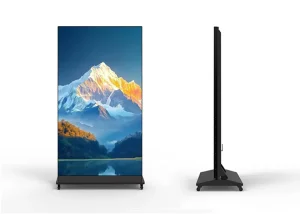
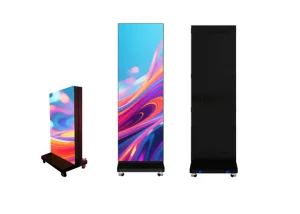
Recommended Pitch: P1.86 – P2.5 Indoor Fixed / Poster Display.
Key Feature: Slim wall-mounted cabinets with 100% front-access maintenance and integrated plug-and-play cloud content management.
When selecting a wholesale Esports LED display manufacturer, global procurement teams must evaluate manufacturers beyond initial hardware unit pricing. A comprehensive Total Cost of Ownership (TCO) model requires rigorous assessment of the following five engineering pillars:
Expert solutions to the most common engineering and procurement inquiries regarding esports video walls.
Explore our complete lineup of high-performance rental, fixed outdoor, and poster LED systems.