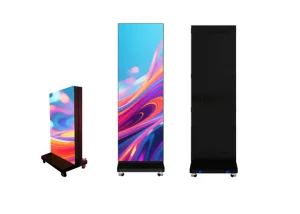
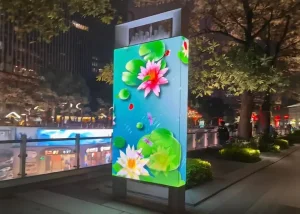
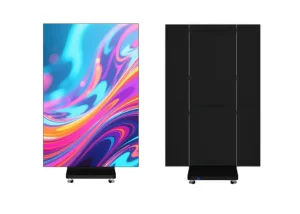
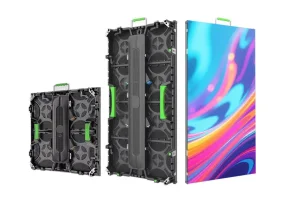
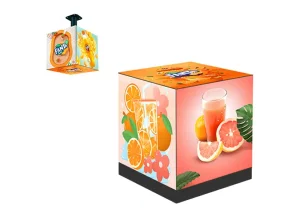
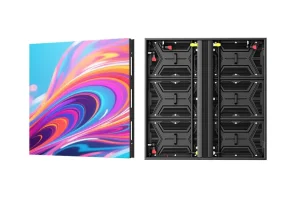
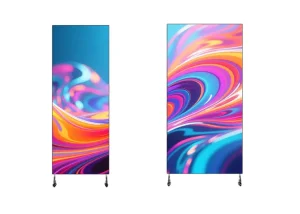
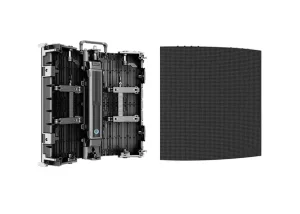
Explore our factory-direct hardware lineup engineered for extreme durability, high refresh rate visual rendering, and versatile installation scenarios.
A comprehensive look into the technological clusters, industrial vertical integration, and cost efficiencies driving the global B2B LED billboard market.
Shenzhen, China stands as the undisputed epicenter of the global optoelectronics industry, producing over 80% of the world's commercial LED displays. As a tier-one wholesale LED billboard manufacturer and exporter, operating within this ecosystem offers profound engineering and logistical advantages that directly translate to financial gain for overseas enterprise buyers.
Unlike regional assemblers, Chinese manufacturing centers benefit from an ultra-compressed component supply radius. High-speed SMT (Surface Mount Technology) lines, die-cast aluminum cabinet foundries, specialized LED encapsulation facilities (Nationstar, Kinglight), and driver IC semiconductor fabricators (MBI, Colorlight, NovaStar) operate within a 30-minute logistical footprint. This geographical consolidation minimizes supply chain friction, allows for real-time quality audits, and guarantees rapid production cycles even for complex multi-thousand-square-meter custom DOOH projects.
Fully automated surface-mount lines maintaining zero-defect chip placement for high-density SMD and COB packaging protocols.
Patented double-sealed silicone gaskets and conformal module coatings shielding displays against typhoons, moisture, and dust penetration.
In-house mechanical engineers drafting structural wind-load simulations capable of withstanding category 14 hurricane forces.
How Micro-LED, Chip-on-Board (COB), Naked-Eye 3D, and Common Cathode architectures are redefining ROI for global buyers.
The outdoor digital advertising landscape is shifting rapidly from standard Surface Mount Device (SMD) packaging to advanced Chip-on-Board (COB) and Glue-on-Board (GOB) encapsulation. As commercial procurement agents look for higher reliability and lower long-term maintenance costs, understanding these technological transitions is vital for capital allocation.
| Technology Standard | Encapsulation Method | Impact & Crash Resistance | Heat Dissipation Efficiency | Ideal Application Radius |
|---|---|---|---|---|
| SMD (Surface Mount) | Individual packaged lamp beads soldered to PCB board | Standard (Vulnerable to physical impact during rental/setup) | Moderate (Through thermal vias in PCB) | Traditional DOOH, Standard Outdoor Billboards (>P3.91) |
| GOB (Glue-on-Board) | Epoxy shield coated across entire SMD module surface | Ultra-High (Anti-collision, anti-moisture, dust-proof) | High (Thermal conductivity via epoxy layer) | High-traffic indoor/outdoor poster screens, taxi tops, rental displays |
| COB (Chip-on-Board) | Bare LED chips directly bonded to substrate & encapsulated | Maximum (Seamless flat protective surface) | Superior (Direct substrate heat transfer) | Fine Pitch Control Rooms, Virtual Production, Premium Retail ( |
Electricity consumption accounts for up to 60% of the lifetime operational costs of an outdoor LED billboard. Traditional LED displays utilize a Common Anode power distribution system, supplying uniform voltage (typically 5V) to Red, Green, and Blue LED chips regardless of their actual forward voltage requirements. This results in excess power wasted as thermal dissipation, requiring heavy active cooling systems.
Modern wholesale manufacturers implement Common Cathode Power Supply Technology. By providing separated, precise voltage lines (e.g., 2.8V for Red chips, 3.8V for Green and Blue chips), Common Cathode designs achieve:
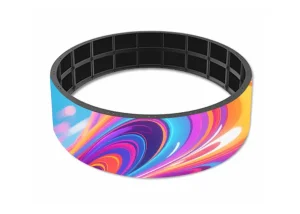
Out-of-Home (OOH) media networks are replacing flat, rectangular displays with L-shaped, curved, and corner-wrapped Naked-Eye 3D displays. Utilizing customized 90-degree seamless cabinet joints, custom high-contrast masks, and ultra-high refresh rate driver ICs (≥3840Hz to 7680Hz), these displays project realistic stereoscopic depth without requiring audience 3D eyewear. This trend drives 3x to 5x higher ad impression rates and commands premium CPM rates for billboard owners.
Tailored engineering specifications designed to solve real-world architectural and environmental constraints across global markets.
Primary Specs: P6 to P10, 6,500–10,000 nits high brightness, automatic dimming sensor, front/rear maintenance, IP65 aluminum cabinet.
Engineered to withstand direct midday sunlight, extreme temperature fluctuations, and high vibration environments along arterial highways and urban transit hubs.
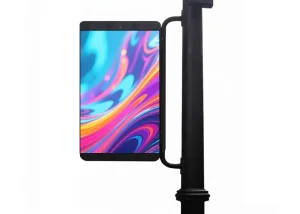
Primary Specs: P2.5 to P3.91, integrated environmental sensors, emergency broadcast system interface, centralized cloud management, aluminum enclosure.
Integrated directly onto smart light poles, providing municipality alerts, traffic telemetry, and localized hyper-targeted commercial advertisements.
Primary Specs: Transparent LED (70%-85% transparency), P3.91-7.81, lightweight modular strip design, indoor installation with outdoor visibility.
Preserves natural indoor daylighting while transforming retail storefront windows into dynamic visual marketing campaigns without structural permits.
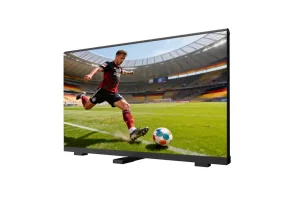
Primary Specs: Soft silicone mask, top protective rubber cushion, quick-stand angular adjustment bracket, FIFA/UEFA broadcast compliance, 7680Hz refresh rate.
Ensures zero flicker during high-speed slow-motion camera broadcasts while protecting athletes from physical impact injury upon collision.
Primary Specs: Fine Pitch P0.93 to P1.56, COB packaging, HDR10+ support, 16-bit grayscale, low latency NovaStar/Brompton processing systems.
Delivers immersive, pixel-free visuals for mission-critical command centers, virtual production stages, and broadcast television studios.
Primary Specs: Double-sided taxi top displays, truck trailer mounted LED walls, wide-voltage input power supplies (9V-36V DC), GOB impact resistance.
Optimized for mobile DOOH networks requiring high anti-vibration tolerances, GPS location-based ad triggering, and 4G/5G remote fleet management.
How direct manufacturers back wholesale partners with structural analysis, signal redundancy, and intelligent monitoring systems.
Deploying a commercial LED billboard involves far more than simply assembling LED panels. A commercial display is an interconnected electromechanical infrastructure requiring specialized system architecture, power calculation, structural calculations, and fail-safe redundancy protocols.
Every commercial display incorporates dual-port signal routing and parallel power supply configurations. If a primary data cable or power unit experiences failure, backup lines instantaneously take over without visual interruption.
Full compatibility with industry-leading control systems including NovaStar (Armor/A10s series), Colorlight, and Linsn, enabling cloud-based monitoring, pixel-by-pixel calibration, and remote diagnostic alerts.
Cabinets engineered with internal air convection channels, passive aluminum heatsinks, and thermo-regulated silent fans preventing hot-spots and preserving LED wavelength consistency.
A critical metric during wholesale procurement is selecting the precise pixel pitch to balance visual clarity against project budget. The table below serves as an engineering rule-of-thumb for B2B system integrators:
| Pixel Pitch (mm) | Optimal Viewing Distance (Meters) | Pixel Density (Pixels/m²) | Recommended Application Venue |
|---|---|---|---|
| P0.93 - P1.25 | 1.0m - 2.5m | 640,000 - 1,152,000 | High-end Boardrooms, Security Command Centers, Broadcast Studios |
| P1.56 - P1.92 | 1.5m - 3.5m | 270,421 - 410,900 | Corporate Lobbies, Premium Retail Outlets, Indoor Digital Posters |
| P2.5 - P3.0 | 2.5m - 6.0m | 111,111 - 160,000 | Churches, Auditoriums, Exhibition Halls, Indoor Sports Arenas |
| P3.91 - P4.81 | 4.0m - 10.0m | 43,264 - 65,410 | Outdoor Event Rental Walls, Building Facades, Gas Station Signs |
| P6.67 - P10.0 | 7.0m - 30.0m+ | 10,000 - 22,477 | Large Scale Highway Billboards, Rooftop DOOH Screens, Stadium Displays |
Navigating international procurement standards, regulatory compliance, quality control protocols, and total cost of ownership minimization.
Enterprise procurement teams cannot afford downtime or module failures after installation. Professional Chinese manufacturers follow multi-stage quality gates to ensure 100% operational readiness prior to sea/air freight dispatch:
Importing commercial LED billboards into North American, European, or Australian markets requires full compliance with international electrical safety, electromagnetic compatibility, and environmental standards. Direct manufacturer export products feature full compliance suites:
In-depth technical and logistical answers to essential questions asked by international LED display buyers.
Total power consumption is calculated using Max Power and Average Power ratings per square meter. Maximum power occurs when the display shows 100% pure white at full brightness (typically 600W to 950W/m² for outdoor screens). Average power consumption—which reflects real-world video content playback—is generally 30% to 40% of the maximum value (around 200W to 350W/m²). To estimate electrical mains supply requirements, multiply the screen area (m²) by the maximum power wattage, adding a 20% safety factor for power supply efficiency and circuit breakers.
Front Maintenance allows technicians to service modules, power units, and receiving cards directly from the face of the display using vacuum tools or magnetic hex key wrenches. This is essential for wall-mounted displays or installations without a rear service catwalk. Rear Maintenance requires a dedicated access space (typically 80cm to 1m depth behind the display structure) where technicians access components from behind the cabinet. Front-service modules reduce structural space requirements, while rear-service configurations are often lower in hardware cost for freestanding highway poles.
Refresh rate refers to how many times per second the driver IC updates the visual data across the LEDs. A standard refresh rate of 1920Hz is acceptable for static viewing. However, displays photographed by smartphones or video cameras (such as stadium perimeter screens, event rentals, or retail displays) will display scan lines and flickering artifacts at lower rates. 3840Hz to 7680Hz high-refresh-rate displays use premium PWM driver ICs, ensuring smooth, broadcast-ready visuals without rolling black bars under high camera shutter speeds.
To guarantee long-term operational continuity, direct factory wholesale shipments always include a standard spare parts package (usually 2% to 5% of total order volume). This package includes: spare LED modules from the exact same production batch (ensuring color matching), power supply units, receiving cards, data ribbon cables, power interconnect cables, and spare mask screws. Having batch-matched module spares is critical because LEDs from different manufacturing lots can exhibit minor color spectrum variations.
Ingress Protection (IP) ratings designate environmental resistance. The first digit represents solid particle protection; the second represents liquid resistance. IP65 rated displays are fully dust-tight and protected against water jets from any direction—making them standard for normal outdoor environments. IP68 displays offer total water submersion protection and complete hermetic sealing, utilizing fully potted modules with silicone gel encapsulation. IP68 is recommended for coastal regions with salt-laden air, hurricane zones, or areas with high humidity and industrial smog.
Export packaging protocols depend on product type: Rental displays are shipped in heavy-duty flight cases with custom-cut EVA shock-absorbing foam inserts. Fixed installation cabinets and modules are packed in export-standard reinforced wooden cases or sea-freight pallets lined with anti-static vacuum bags, moisture-absorbing desiccant packs, and corner edge protectors to withstand transit shocks, sea-spray humidity, and container handling.
Explore our specialized architectural, 3D, creative geometric, and smart city infrastructure display series.