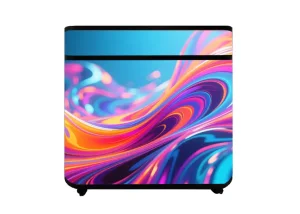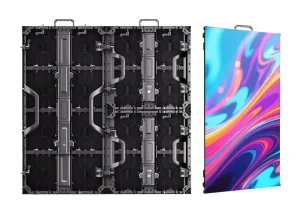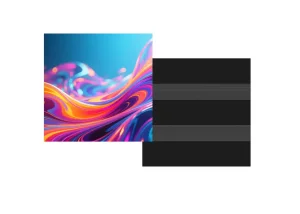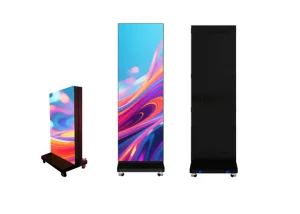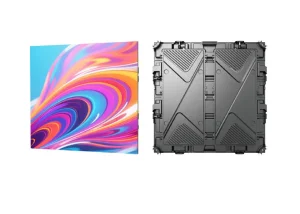
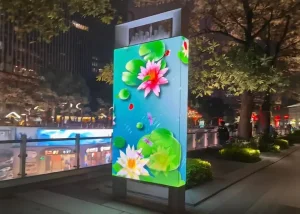
Explore our top-tier wholesale LED screen configurations optimized for high brightness, structural transparency, and energy efficiency.
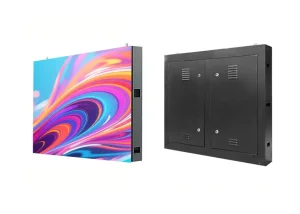

Quantifiable operational superiority driving high-end architectural integrations and B2B global deployments.
The global commercial display sector is undergoing a massive paradigm shift. Traditional opaque LED video walls, while offering high brightness and solid pixel density, present significant architectural drawbacks when integrated into modern urban infrastructure. They block natural light, impose substantial structural load-bearing stress (often requiring heavy steel reinforcement frameworks), and visually disrupt the aesthetics of glass facades when powered off.
Enter Transparent LED Displays—a transformative visualization technology engineered specifically to bridge the gap between dynamic digital media and modern architectural glass. According to recent market analysis, the global market for transparent displays is projected to experience a compound annual growth rate (CAGR) exceeding 28.5% over the next decade. Demand is primarily spearheaded by commercial real estate developers, luxury retail conglomerates, transportation authority hubs, and high-end automotive 4S networks.
From a manufacturing standpoint, Shenzhen, China remains the epicenter of transparent LED innovation. Leading wholesale transparent LED display manufacturers and factories have successfully overcome early engineering hurdles—such as thermal buildup, PCB bar shadow casting, low pixel density, and delicate handling—converting delicate prototype displays into industrial-grade, IP65-rated, ultra-durable architectural components capable of continuous 24/7 operation.
Unlike traditional displays evaluated purely on pixel pitch, transparent LED specification demands a balanced triad evaluation: Transparency Percentage vs. Peak Brightness vs. Pixel Density. Optimizing one parameter invariably impacts the others, requiring specialized optical engineering during factory OEM configuration.
To select the appropriate display matrix from wholesale manufacturing suppliers, procurement teams and structural engineers must master the core technical paradigms governing transparent LED displays:
Transparent LED module design hinges on how the Light Emitting Diode is mounted onto the slim PCB strip.
Factories manufacture transparent displays across three main structural formats:
| Technology Category | Transparency Range | Brightness (Nits) | Pixel Pitch (mm) | Primary Advantage | Optimal Use Case |
|---|---|---|---|---|---|
| Side-Lit Rigid Bar | 75% - 88% | 2,500 - 5,500 | P2.8 - P7.81 | High clarity & minimal obstruction | Retail windows, Atriums |
| Top-Lit High Bright | 55% - 70% | 5,000 - 7,500+ | P3.91 - P10.4 | Sunlight readability & durability | Exterior Glass Facades |
| Flexible Adhesive Film | 80% - 92% | 1,200 - 3,000 | P3.91 - P15.625 | Ultra-light (~3kg/m²), frameless | Curved Glass, Glass Railings |
| Architectural LED Mesh | 60% - 80% | 6,000 - 10,000 | P12.5 - P31.25 | Low wind resistance, IP67 waterproof | Skyscraper Media Facades |
As OEM/ODM factories refine custom manufacturing capabilities, transparent LED screens are taking over high-value vertical markets across global metropolitan regions:
In high-street commercial districts, retail store windows must retain visual line-of-sight into the store interior while simultaneously attracting foot traffic with dynamic high-definition content. Transparent LED displays installed directly behind store windows achieve this effortlessly. Retailers showcase 3D motion graphics, brand storytelling, and seasonal promotions without casting darkness over the interior sales floor.
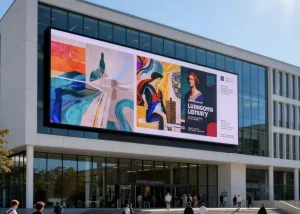
Modern skyscrapers feature vast glass curtain walls. Retrofitting these structures with standard LED walls violates local municipal lighting codes and overloads building HVAC systems due to trapped heat. Transparent LED screens are mounted internally behind the glass curtain wall. They require zero external structural alterations, bypass restrictive outdoor billboard regulations in many jurisdictions, and maintain floor-to-ceiling panoramic exterior views for building tenants.
Automotive showrooms demand pristine lighting and sleek aesthetics. Transparent displays surround vehicle exhibits with floating futuristic visuals, holographic technical breakdowns, and interactive vehicle configurators while preserving an open, sunlit environment.
Transit hubs feature massive open spaces enclosed by glass walls. Transparent displays serve dual roles: real-time passenger information systems (PIDS) and high-value programmatic DOOH (Digital Out-of-Home) advertising, blending information flow directly into the architectural layout.
Strategic technological vectors defining the next era of transparent visual hardware manufacturing from 2025 to 2030.
Transitioning from conventional Surface Mount Devices (SMD) to Chip-on-Glass (COG) MicroLED substrate bonding. This eliminates PCB bar lines entirely, pushing transparency rates beyond 90% while achieving micro pixel pitches below P1.2.
Integrating dual-drive common cathode IC power topology. By separately delivering precise voltage to Red (2.8V) and Green/Blue (3.8V) diodes, power consumption and thermal emission are reduced by up to 45%, dramatically increasing component longevity.
Glue-on-Board (GOB) protective encapsulation using crystal-clear acrylic polyurethane resins. Provides IP65 front/rear protection against impact, dust, moisture, and static interference without causing color shifting or visual attenuation.
For global B2B procurement managers, sourcing directly from wholesale transparent LED display factories requires rigorous technical verification. Below is the standard engineering protocol established by top-tier Shenzhen manufacturing facilities to ensure long-term stability and compliance:
Given the narrow width of transparent LED PCB strips (often less than 2mm), automated High-Speed Surface Mount Technology (SMT) equipment with optical positioning alignment is required. Manual soldering or low-precision SMT lines lead to LED misalignment, resulting in color shifts and visual distortion when viewed from angled directions.
Prior to shipping, every transparent cabinet must undergo strict quality control protocols:
High-end commercial real estate projects demand strict adherence to regulatory standards. Ensure the factory provides certified documentation for CE-EMC, FCC Class A/B, RoHS, and UL 48 safety compliance to streamline customs clearance and local building inspection sign-offs.
Calculating Ideal Viewing Distance vs. Pixel Pitch:
Minimum Viewing Distance (Meters) = Pixel Pitch (mm) × 1.0 to 1.5
Optimal Viewing Distance (Meters) = Pixel Pitch (mm) × 2.0 to 3.0
For example, a P3.91 - P7.81mm transparent display delivers optimum clarity from 8 meters to 25 meters, making it the industry benchmark for retail window integration.
Expert responses addressing common procurement, structural, and technical inquiries for wholesale buyers.
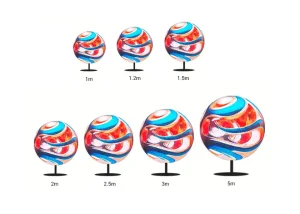
From creative spheres to ultra-fine pitch indoor screens, select factory-direct solutions tailored to your project requirements.