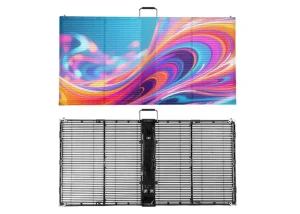
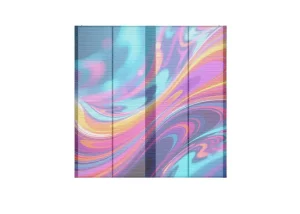
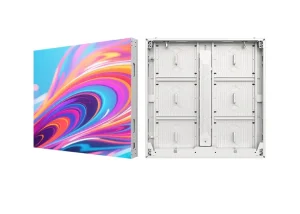
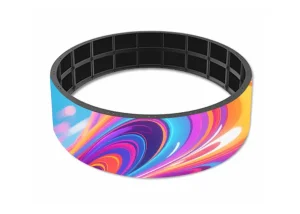
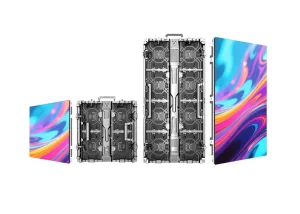
Engineered for high light transmittance, ultra-slim profiles, and seamless architectural integration in luxury Japanese commercial venues.
Japan represents one of the most sophisticated and demanding markets globally for commercial display technology. From luxury flagships in Tokyo’s Ginza and Omotesando districts to massive transit hubs like Shinjuku Station, urban aesthetics demand visual solutions that seamlessly integrate into existing glass facades without obstructing natural daylight or altering architectural integrity.
Deploying transparent LED displays in Japan requires strict adherence to localized engineering norms, including the Building Standard Law of Japan (建築基準法) and severe seismic resistance standards. Because Japan is prone to high seismic activity and typhoon winds, transparent LED panels must be ultra-lightweight (under 12kg/m²), structural integrity certified, and equipped with quick-locking vibration-dampening mounting systems.
Traditional LED displays block interior illumination and turn store windows into dark, unattractive walls when turned off. Transparent LED technology keeps glass walls visually open.
Given Japan’s stringent ESG and energy reduction goals (Towards Carbon Neutrality), our common-cathode driver ICs reduce power consumption by up to 40% compared to standard displays.
Slim profile design reduces wind shear forces on outdoor glass installations and ensures structural stability during seismic tremors.
How modern architecture worldwide is replacing heavy billboards with high-transparency holographic LED screens.
Global commercial real estate operators are prioritizing transparent LED displays due to lower structural reinforcement requirements and reduced HVAC cooling costs resulting from air-permeable mesh designs.
By independently supplying precise voltage to Red, Green, and Blue LED chips, operational heat is reduced by 30-40%, prolonging component lifespan over 100,000 continuous operating hours.
Transparent displays connect effortlessly with central CMS networks, automated brightness adjustment sensors (adapting automatically from daylight nits to nighttime compliance nits), and cloud telemetry.
Leveraging Shenzhen’s world-class LED manufacturing ecosystem to deliver Japanese-grade precision at factory-direct price points.
Our facility in Bao'an District, Shenzhen operates state-of-the-art high-speed Yamaha and Fuji SMT lines. We utilize high-grade Gold Wire Nationstar SMD LEDs and custom PCB strip matrices to ensure extreme structural parallelism and zero color deviation across batch shipments to Japan.
Every transparent LED screen module undergoes vibration testing, thermal cycle testing (-20°C to +60°C), waterproof IP ratings validation, and a mandatory 72-hour continuous electrical burn-in process to guarantee zero dead-pixel arrival in Japanese ports.
Tailored transparent LED screen configurations designed specifically for Japan’s high-density retail and transit environments.
High-end boutiques require crystal-clear visibility into interior floor displays while projecting captivating dynamic branding outwards. Our P2.8-P5.6 fine pitch holographic screens maintain over 80% clarity, turning storefront window glass into dynamic advertising canvases.
Automotive showrooms demand high contrast and high refresh rates (7680Hz) to prevent moiré patterns when visitors take videos on smartphones. Our transparent screens provide 5,500+ nits brightness to battle direct sunlight through floor-to-ceiling glass windows.
Installed beneath glass skylights or inside station concourses, lightweight transparent mesh panels allow natural daylight to filter into passenger hallways while serving as dynamic information display systems.
Overlaying visual historical animations directly on transparent glass cases or partition screens allows Japanese cultural centers to create immersive, 3D holographic storytelling environments without obscuring artifacts.
Use this technical decision matrix to select the exact pixel pitch, brightness level, and transparency ratio for your Japanese project requirements.
| Model Series | Pixel Pitch (mm) | Transparency (%) | Brightness (Nits) | Min. Viewing Distance | Optimal Application Scenario |
|---|---|---|---|---|---|
| IN-F Holographic Film | P2.5 / P3.91 | 85% – 90% | 1,200 – 3,000 Nits | 2.5 meters | Luxury Retail Storefronts, Glass Balustrades |
| Glass Facade Pro | P3.91 – P7.81 | 75% – 80% | 4,500 – 6,000 Nits | 4.0 meters | Commercial Building Facades, Auto Showrooms |
| Outdoor Mesh Titan | P10.4 – P10.4 | 65% – 75% | 7,000 – 10,000 Nits | 10.0 meters | High-Rise Outdoor Facades, Highway Landmarks |
| Rental Stage Clear | P2.8 – P5.6 | 70% – 80% | 2,000 – 4,500 Nits | 3.0 meters | Touring Concerts, Trade Shows, TV Broadcast |
Consult with our engineering team for customized CAD drawings, structural load calculation reports, and factory-direct quotation packages delivered within 24 hours.
Request Japanese Market ProposalDiscover next-generation technological advancements transforming transparent displays worldwide.
Ultra-thin flexible PCB films that stick directly onto existing architectural window glass without structural framing or aluminum support bars.
Transitioning from traditional SMD chips to Micro-LED arrays, pushing pixel pitch below P1.5 while maintaining transparency rates above 80%.
Integrated optical sensors dynamically match ambient solar illumination, optimizing power consumption while protecting neighboring urban areas from light pollution.
Explore our complete OEM/ODM product portfolio engineered for indoor, outdoor, curved, and high-density fine pitch visual installations.
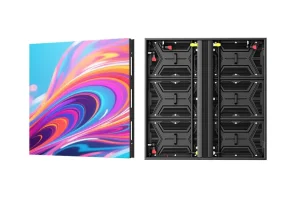
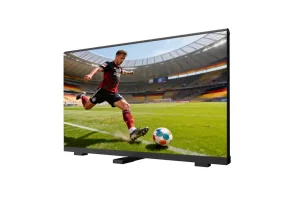
Clear, direct answers regarding compliance, freight shipping to Japan, maintenance, and technical customization.
Partner directly with a Shenzhen LED display manufacturer with 20+ years of engineering mastery. Get high-transparency, seismic-tested visual solutions delivered on schedule.
Send Inquiry Now